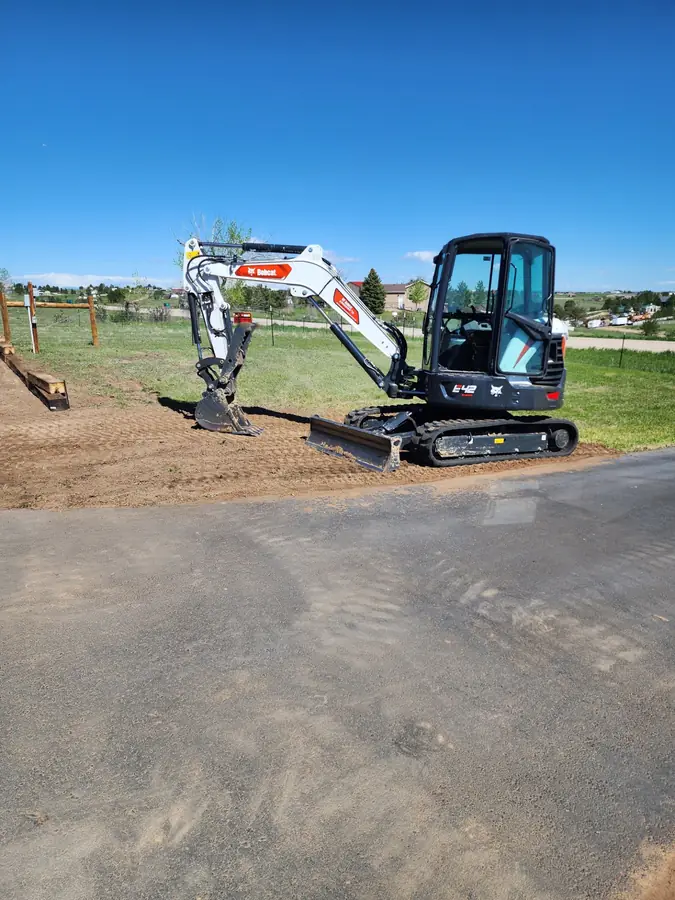
Excavation & trenching
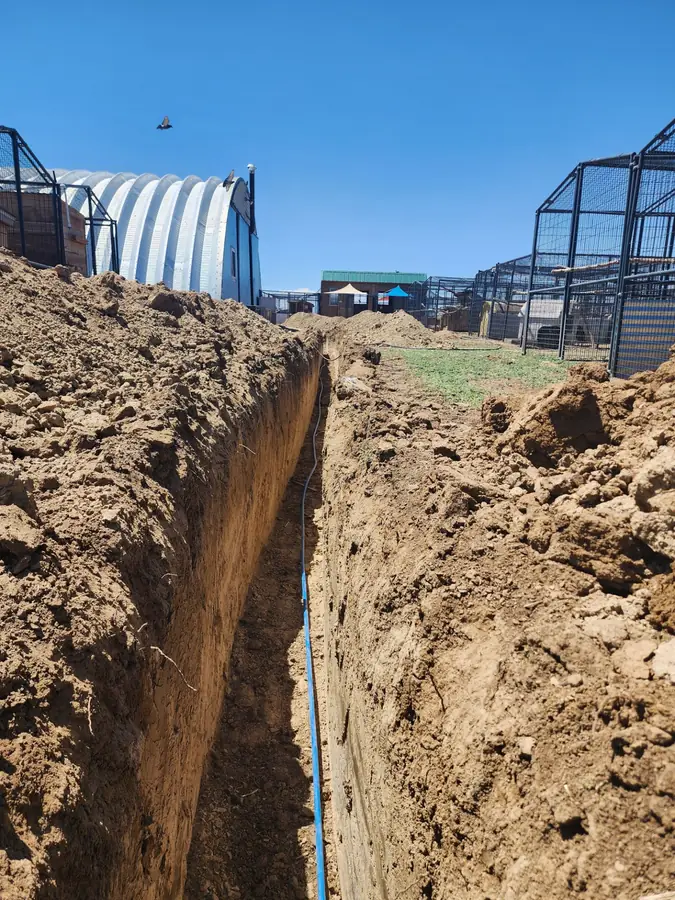
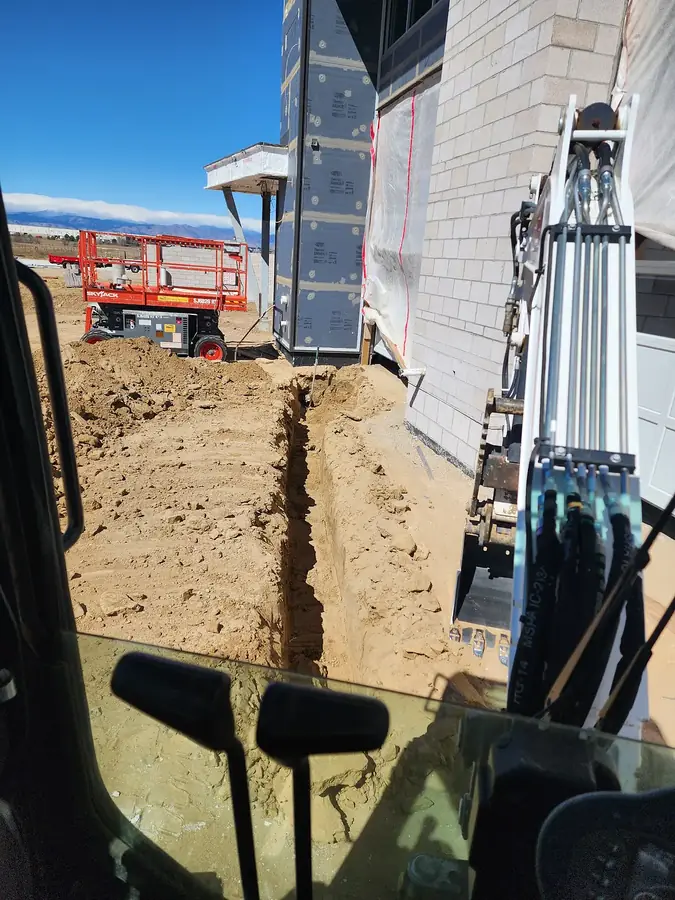
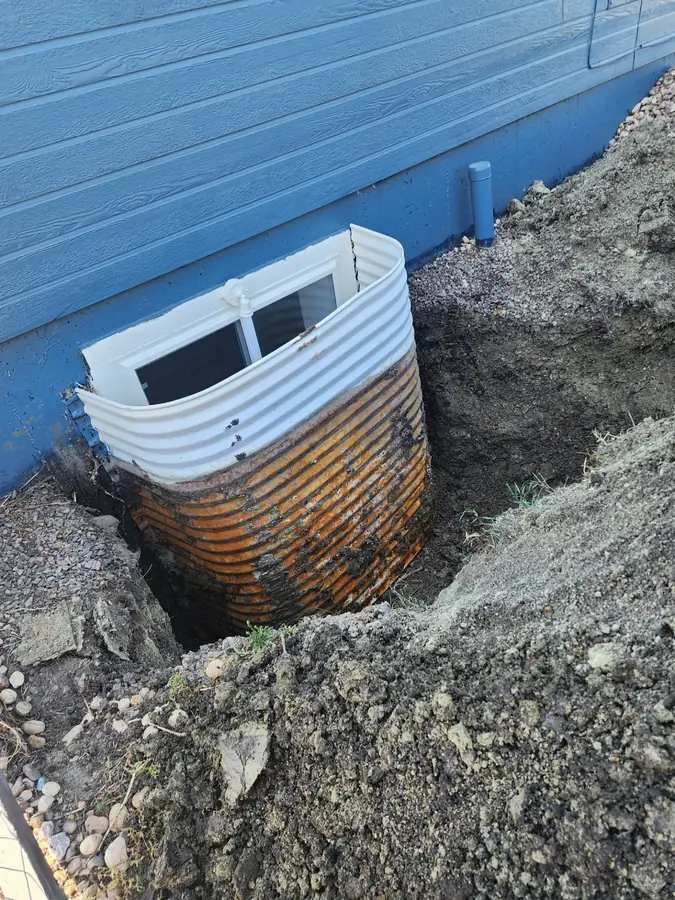
Opening ground the right width, the right depth and in the right place, then backfilling it so it stays put.

STA 0+00Strasburg, Colorado
Jones EarthWorks is a Christian-owned excavation and sitework contractor serving Strasburg, Bennett, Byers and eastern Aurora. Utility trenching, grading, pads, driveways, culverts and drainage, done right the first time.
STA 1+00What we do
Reliable utility trenching, grading, and hauling for residential and small commercial projects. Fast turnaround and done right the first time.
Opening ground the right width, the right depth and in the right place, then backfilling it so it stays put.

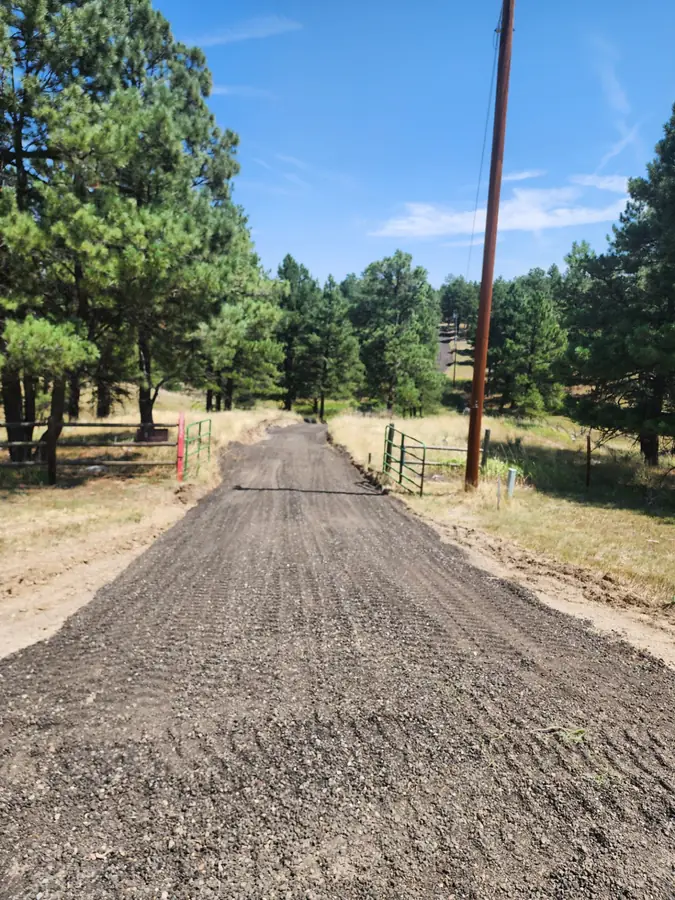
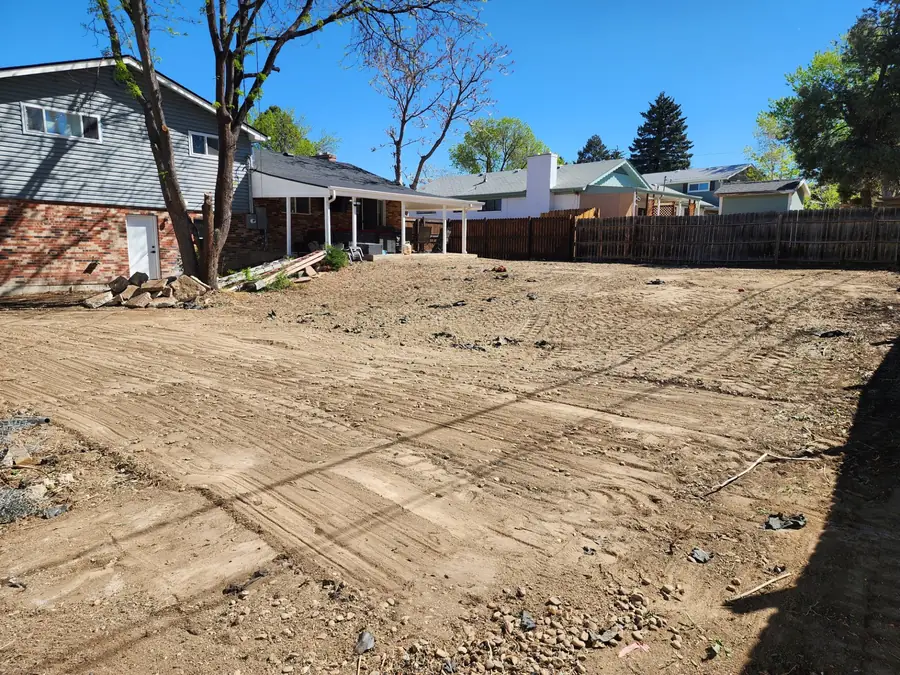
Shaping the ground so water leaves, trucks get in and buildings sit on something solid.

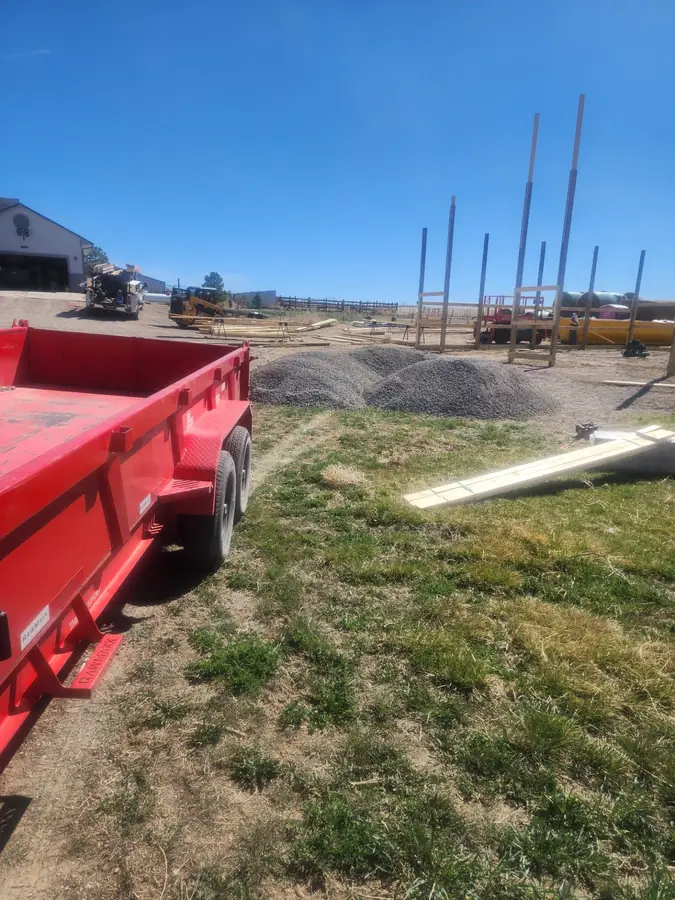
Getting material in and out, and finishing the ground once the heavy work is done.

STA 2+00Faith at the foundation
“We are committed to honest communication, quality workmanship, and serving our customers with integrity while keeping our faith at the foundation of how we do business.”
You hear what we see in the ground, what it will take and what it will cost before we start. If something changes when the ground is open, you hear about that too.
Trenches to depth, backfill compacted in lifts, grades that drain. Getting your excavation done right the first time.
Serving our customers with integrity, keeping our faith at the foundation of how we do business.
We focus on fast turnaround times while maintaining quality and safety to complete your project efficiently.
STA 3+00From the job site


STA 4+00Know your ground
Flat ground and big sky hide a lot. Here’s what shapes every dig east of Denver.
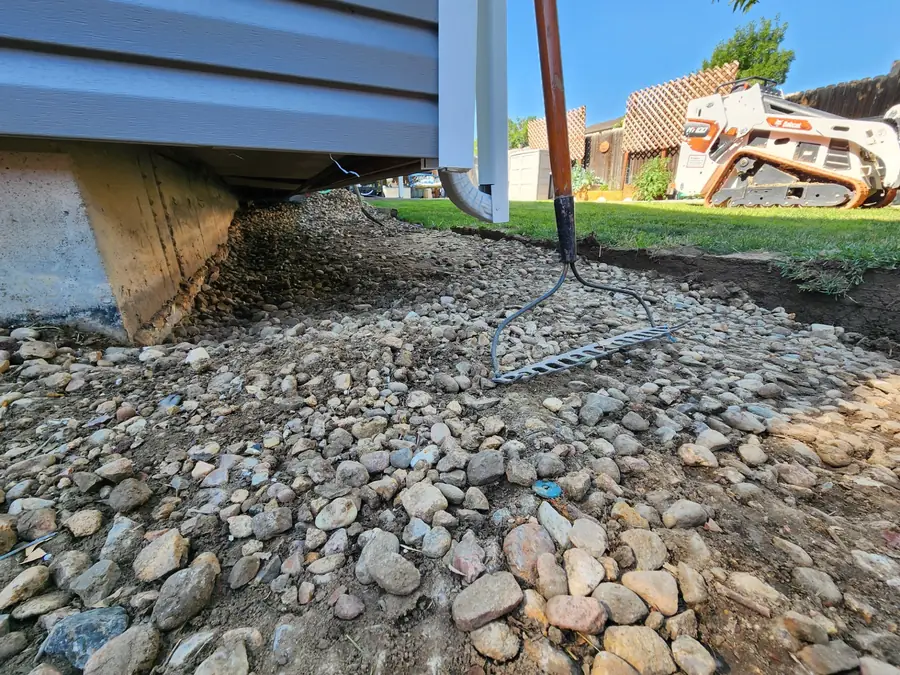
Much of the Front Range plains has clay that swells when wet and shrinks when dry. Grading water away from foundations is the best defense.
The Denver–Aurora area commonly designs for about 36 inches of frost. Water lines go deeper; your building department sets the footing depth.
Strasburg and Bennett sit in both Adams and Arapahoe counties, so your parcel decides who permits your septic system.
Colorado 811 asks for at least three business days’ notice. Lines you own, like power to a barn, usually aren’t marked.
STA 5+00How it goes
Call (720) 277-9760, send a request here, or use our Jobber request form. Tell us what you’re building and where.
Tell us what you’re building and where. Photos of the site help.
We look at access, soil, drainage and what’s buried before quoting.
Colorado 811 marks the utilities; you or your builder confirm any permits.
The work gets done, backfilled and graded, and the site left tidy.
STA 6+00Service area
We serve Strasburg, Bennett, Byers, eastern Aurora and the surrounding eastern Colorado communities, plus the east Denver metro.
STA 7+00Straight answers
Regulation 43 (5 CCR 1002-43) is Colorado’s statewide rule for on-site wastewater treatment systems (OWTS), the legal name for septic systems. It sets the minimum standards for siting, soil evaluation, design, installation, repair and maintenance of systems up to 2,000 gallons per day.
The state sets the floor; county and district public health agencies adopt their own septic regulations on top of it and issue the actual permits. So your permit, inspections and any local extras come from your county’s health department, not from the state.
A soil profile test pit is an excavated hole where a trained technician looks at and feels the soil layers to decide what kind of septic system the ground can handle. Regulation 43 requires at least two of them for a new system.
The pits go down to any limiting layer or 4 feet below where the system’s infiltrative surface will be, whichever comes first, and at least one goes where conditions are expected to be the most limiting. The technician reads soil texture, structure and any signs of seasonal water to set the soil type and the long-term acceptance rate the design is sized on.
Expansive clay soils swell when they get wet and shrink when they dry out. They are common along Colorado’s Front Range, including the plains east of Denver and Aurora, though soils change from lot to lot.
The swelling can push up slabs, sidewalks and driveways and crack foundations over time. Water is what sets it off, which is why drainage and grading matter so much here.
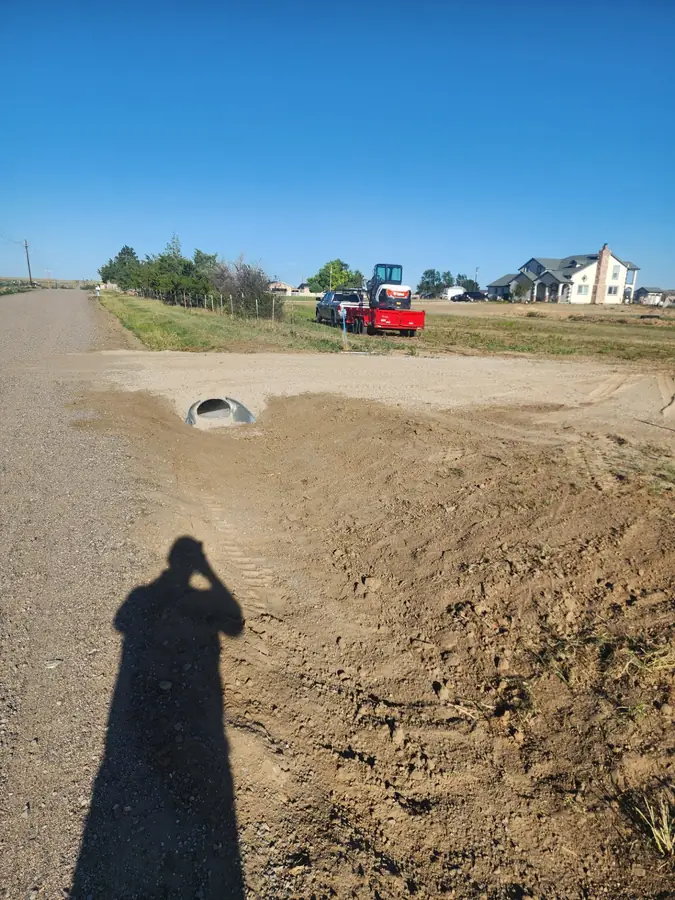
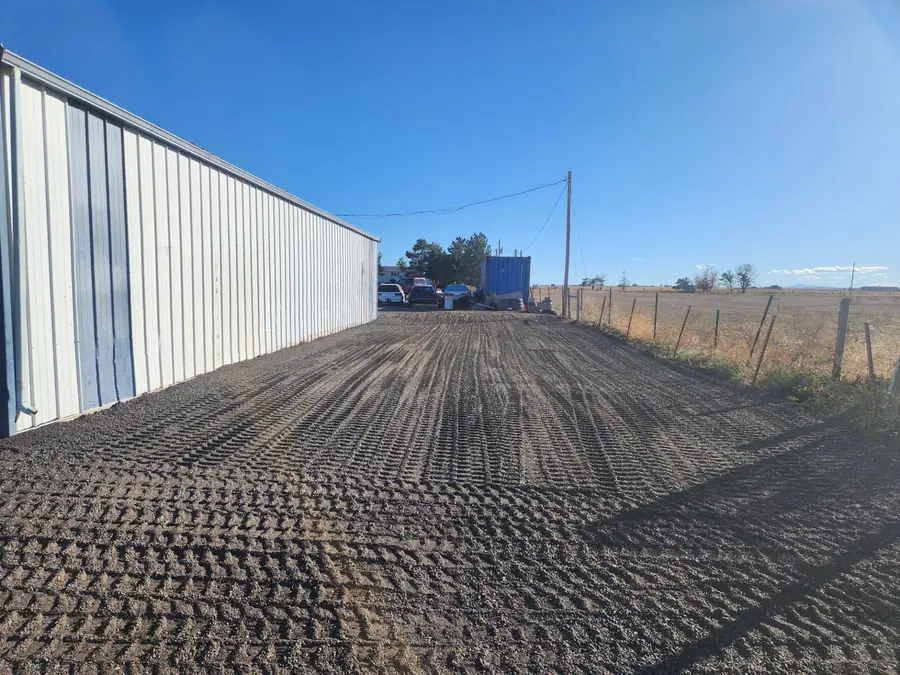
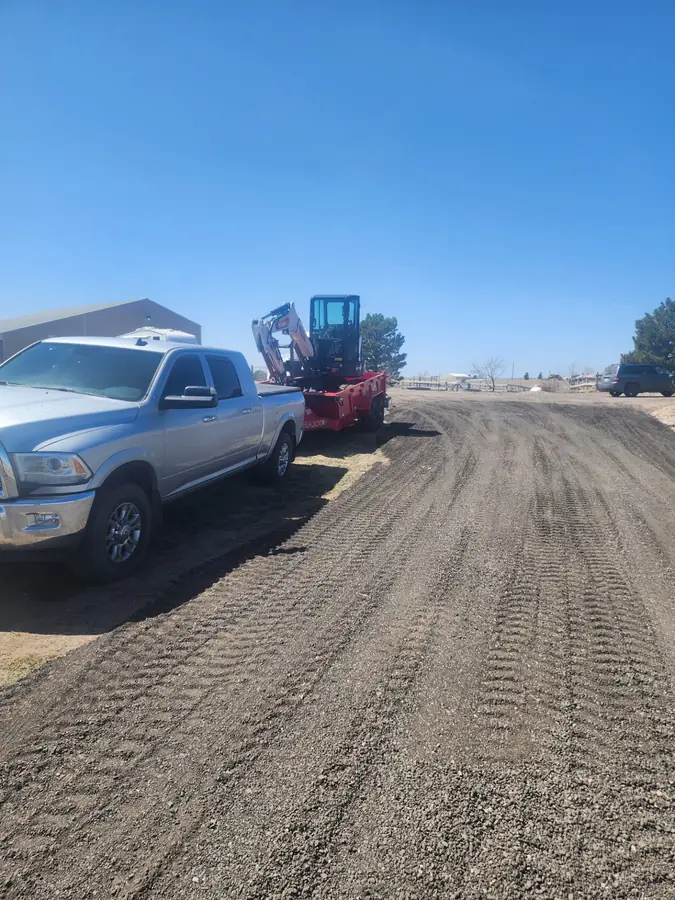
Shape and drainage. A gravel driveway lasts when it has a solid base, a crown so water runs off to the sides, ditches or swales to carry that water away, and culverts where it crosses a drainage.
Surface gravel only works on top of that. Without the shape, new gravel gets pushed aside, rutted and washed out.
Yes. Colorado law requires anyone digging, homeowners included, to contact Colorado 811 before excavating. Colorado 811’s current guidance is to call or submit a request online at least three business days before you dig.
The service is free. Utilities mark their lines with paint or flags, and the marks are generally good for about 30 days. When we dig, we call in the locate.
The main factors are access to the site, how much material is moved, the soil (clay, rock or groundwater), trench length and depth, material brought in or hauled off, utilities in the way, permit requirements and how much restoration the site needs afterward.
That’s why we look at the site before quoting. Two jobs that sound the same on the phone can be very different on the ground.
STA ENDReady when you are
Trenching, grading, pads, driveways and drainage for Strasburg, Bennett, Byers and eastern Aurora. Tell us what you’re building.